Ceramic Backing Techniques to Optimize Your Welding Projects
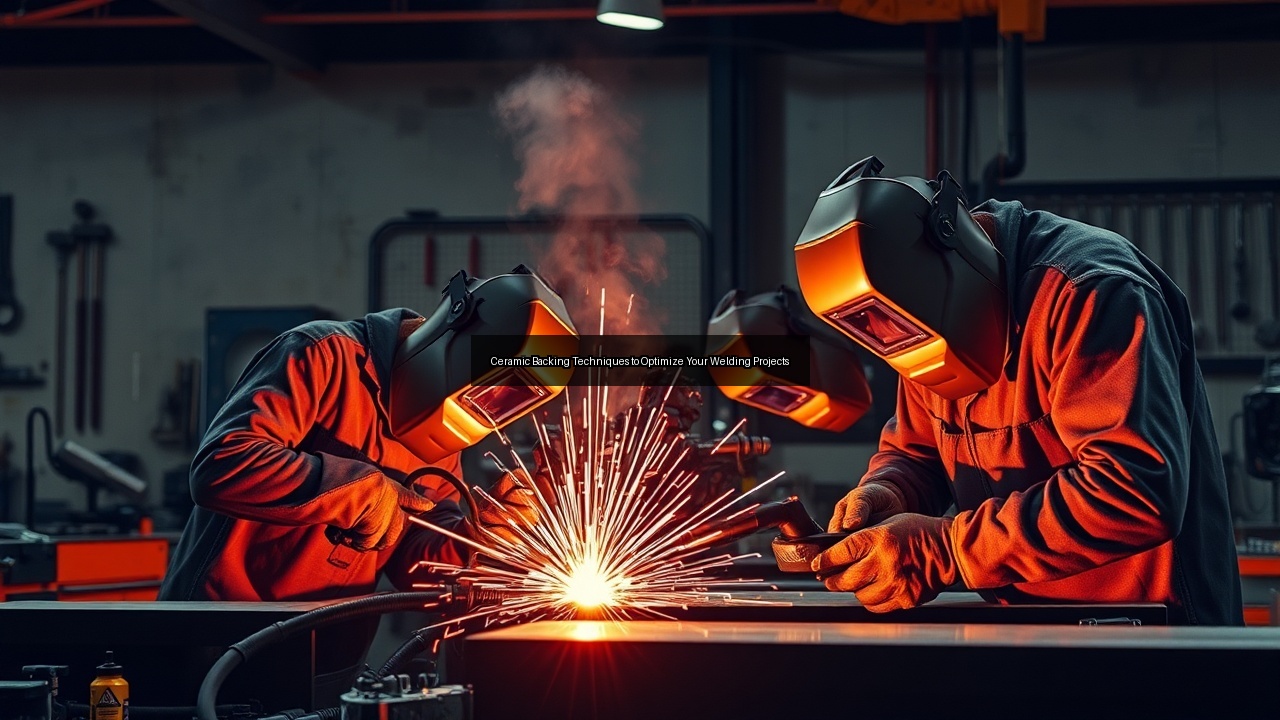
Understanding Ceramic Backing in Welding
What is Ceramic Backing?
Ceramic backing refers to a specialized material applied during the welding process to enhance the quality and integrity of the weld. This backing usually consists of high-temperature resistant ceramics designed to withstand the heat generated during welding. By providing a stable surface, ceramic backings help to prevent the loss of molten weld metal, which can occur due to excessive heat and spatter. These materials can be used in various welding techniques, including TIG (Tungsten Inert Gas) and MIG (Metal Inert Gas) welding. The application of ceramic backing not only improves weld quality but also increases efficiency and reduces the need for post-weld cleanup.
Benefits of Using Ceramic Backings in Welding
Utilizing ceramic backings in welding offers a plethora of advantages. First, they significantly improve the appearance of welds by promoting even bead formation and reducing the risk of unsightly defects. This is particularly crucial in industries where aesthetic quality matters, such as automotive and marine applications. Second, ceramic backings enhance the mechanical properties of the weld, providing better strength and durability. They also mitigate issues related to distortion and warping, which can be detrimental in precision welding tasks. Additionally, ceramic backings help to minimize the need for rework, leading to cost savings and increased productivity. Their ability to withstand extreme temperatures makes them suitable for various welding scenarios, from aluminum fabrication to heavy-duty steel structures.
Common Applications of Ceramic Backing Materials
Ceramic backing materials find extensive use across diverse industries. In the marine sector, they play a critical role in ensuring the integrity of welds used in shipbuilding and repair. The aerospace industry also benefits from ceramic backings, which enhance weld performance in aircraft components subjected to rigorous conditions. In construction and metal fabrication, these materials help produce high-quality welds that meet stringent safety standards. Additionally, ceramic backings are increasingly utilized in automated welding processes, where precision and consistency are paramount. Their versatility allows them to be employed in various welding techniques, including GMAW (Gas Metal Arc Welding) and plasma cutting, making them indispensable tools for modern welders.
Types of Ceramic Backings for Welding
Ceramic Backing for TIG Welding
Ceramic backing for TIG welding stands out due to its ability to stabilize the weld pool and maintain a controlled environment during the welding process. TIG welding typically requires a more refined approach, as it often involves working with thinner materials and intricate designs. The application of ceramic backing in TIG welding helps to minimize the risk of defects such as burn-through or excessive undercutting. These backings can be shaped and fitted to the specific geometry of the workpiece, ensuring optimal support. Moreover, the use of ceramic materials in this context can enhance the welder's ability to produce high-quality, aesthetically pleasing welds, particularly on aluminum and stainless steel. The thermal insulation provided by ceramic backings allows for better control over heat input, which is crucial in achieving the desired weld penetration without damaging the base metals.
Ceramic Backing for MIG Welding
In MIG welding, ceramic backing serves as a vital component for optimizing weld quality. The fast-paced nature of MIG welding requires efficient management of heat and spatter, which ceramic backings effectively address. By reflecting heat back into the weld pool, these backings help maintain a stable temperature, allowing for smoother material flow and bead formation. This is especially beneficial when working with thicker materials or in high-speed production environments. Additionally, ceramic backings reduce the likelihood of contamination and oxidation in the weld area. This is crucial when welding materials like aluminum, where cleanliness directly impacts the quality of the final product. The adaptability of ceramic backings means they can be used in conjunction with various MIG welding setups, making them a versatile choice for welders seeking to enhance their welding processes.
Comparative Analysis: Ceramic vs. Other Backing Materials
When comparing ceramic backing to other backing materials, notable differences emerge. Traditional backing materials such as metal or wood may not provide the same level of thermal resistance and stability that ceramics offer. While metal backings can reflect heat, they often lack the insulation properties necessary for maintaining a consistent welding temperature. In contrast, ceramics excel in this regard, making them ideal for high-precision applications. Additionally, wooden backings can introduce contaminants that compromise weld integrity, whereas ceramic materials remain inert and clean. The longevity of ceramic backings also surpasses that of many alternatives, reducing the need for frequent replacements. This durability translates into lower operational costs over time, making ceramic a more efficient choice for welders. Overall, the unique benefits of ceramic backings position them as a superior option for optimizing welding projects.
Optimizing Weld Quality with Ceramic Backing Techniques
Techniques for Effective Use of Ceramic Backing
Implementing ceramic backing techniques effectively can significantly enhance weld quality. Proper placement of ceramic materials is crucial; positioning them close to the weld joint ensures optimal support and thermal insulation. Welders should consider the thickness and geometry of the materials being welded to determine the appropriate type and size of ceramic backing. Adjusting welding parameters, such as amperage and travel speed, in accordance with the characteristics of the ceramic backing can also lead to improved results. For instance, increasing travel speed while using ceramic backing may help in maintaining a stable weld pool, reducing the risk of defects. Regularly inspecting the ceramic backing for wear and tear will ensure consistent performance, as damaged backings can compromise weld integrity. Moreover, integrating ceramic backings into automated welding processes can further enhance precision and repeatability, making them a valuable asset in modern welding operations.
Influence of Geometry on Weld Integrity
The geometry of the workpieces significantly influences the performance of ceramic backing in welding. Complex shapes, such as those found in aerospace components or intricate automotive parts, require careful consideration when selecting and applying ceramic backings. The contours and angles of the materials can affect heat distribution and penetration, making it essential to tailor the backing technique accordingly. For instance, when welding curved surfaces, a flexible ceramic backing may be more effective in maintaining contact and providing support. This adaptability helps ensure that welds remain uniform and free from defects. Additionally, understanding how geometry impacts the flow of molten metal allows welders to adjust their techniques dynamically, ensuring that the weld remains strong and aesthetically pleasing. Effective communication and collaboration between design engineers and welders can further enhance the use of ceramic backings, leading to superior project outcomes.
Case Study: Successful Welding Projects Using Ceramic Backing
A recent case study highlights the successful implementation of ceramic backing in a major shipbuilding project. The shipyard employed ceramic backings while welding aluminum components for a new vessel. By utilizing these specialized materials, the welders achieved a significant reduction in defects, such as porosity and undercutting, typically associated with aluminum welding. The project manager noted that the use of ceramic backing materials not only improved weld quality but also accelerated production timelines, leading to on-time project completion. Additionally, the overall aesthetic quality of the welds enhanced the visual appeal of the finished vessel. This case exemplifies how adopting advanced materials like ceramic backings can lead to tangible benefits in welding projects, reinforcing their value in modern industrial applications.
Future of Ceramic Backing in Welding Technology
Advancements in Ceramic Materials for Welders
The future of ceramic backing in welding technology looks promising, with ongoing advancements in ceramic materials set to enhance their performance further. Researchers are exploring new compositions and formulations of ceramics that can withstand even higher temperatures and provide greater durability. Innovations in manufacturing processes are leading to the development of more lightweight and flexible ceramic backings, making them easier to handle and apply during welding operations. Additionally, the integration of smart ceramics, which can adapt to changes in temperature and pressure, may revolutionize how welders utilize these materials. Such advancements will allow for even greater precision and control in welding, ultimately leading to improved weld integrity and quality.
Role of Automation in Welding with Ceramic Backing
Automation is transforming the welding landscape, and ceramic backing plays a crucial role in this evolution. Automated welding processes benefit from the stability and consistency that ceramic materials provide, ensuring uniform welds across multiple production runs. Robotic welding systems equipped with ceramic backings can maintain precise parameters, reducing the likelihood of defects and enhancing overall productivity. Moreover, automation allows for the seamless integration of ceramic backings into various welding techniques, from TIG to MIG and GMAW. As manufacturers continue to embrace automation, the demand for high-performance ceramic backing materials will likely increase, driving further innovations and enhancements.
Industry Leaders: Gullco International and Voestalpine's Innovations
Gullco International and Voestalpine are at the forefront of innovations in ceramic backing and welding technology. Gullco has developed advanced ceramic backing solutions tailored for specific welding applications, ensuring optimal performance and ease of use for welders. Their commitment to quality and innovation has made them a trusted name in the industry. Similarly, Voestalpine is making strides in creating high-performance ceramic materials that enhance weld quality while reducing production costs. Both companies focus on integrating automation and smart technologies into their offerings, positioning themselves as leaders in the evolving landscape of welding. As these industry giants continue to innovate, they pave the way for a new era of welding backed by advanced ceramic solutions.